Vamana Therapy in Ayurveda: Complete Guide to Benefits, Procedure, and Detoxification
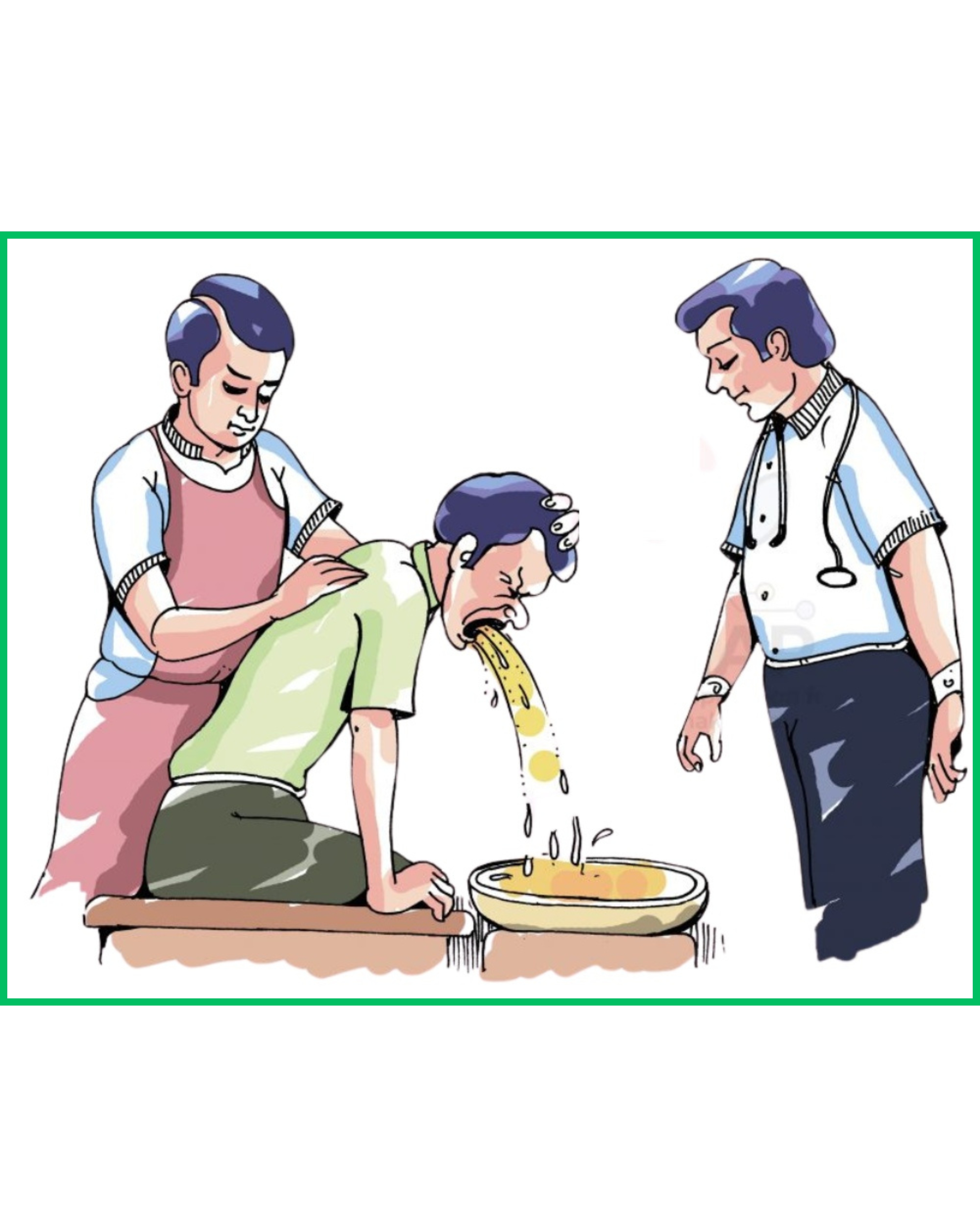
Ayurveda, the ancient Indian system of medicine, emphasizes balance among the body, mind, and spirit for optimal health. Among its powerful detoxification therapies, Vamana holds a significant place as one of the five purification methods under Panchakarma. Vamana is a therapeutic emesis (induced vomiting) designed to eliminate excess Kapha dosha from the body.
Though it may sound intense, Vamana is a highly controlled and scientifically structured procedure performed under expert supervision. It is especially beneficial for individuals suffering from Kapha-related disorders such as respiratory issues, obesity, skin conditions, and digestive problems.
This comprehensive guide explores everything you need to know about Vamana therapy, including its meaning, benefits, procedure, indications, contraindications, and post-treatment care.
What is Vamana in Ayurveda?
Vamana is a detoxification therapy that involves the controlled induction of vomiting to expel toxins (Ama) and excess Kapha from the upper gastrointestinal tract. According to Ayurveda, Kapha tends to accumulate in the stomach and chest region, leading to various health problems when imbalanced.
By eliminating this excess Kapha, Vamana helps restore balance and improves overall health.
The Ayurvedic Concept Behind Vamana
- Vata – Air and movement
- Pitta – Fire and metabolism
- Kapha – Earth and water (structure and lubrication)
Vamana specifically targets Kapha dosha, which, when aggravated, can cause:
- Excess mucus
- Congestion
- Lethargy
- Weight gain
- Skin disorders
Vamana removes these accumulated toxins from their root location, providing long-lasting relief rather than temporary symptom suppression.
Benefits of Vamana Therapy
Vamana offers a wide range of physical and mental health benefits:
1. Detoxification of the Body
Vamana eliminates deep-seated toxins from the stomach and respiratory tract, cleansing the system thoroughly.
2. Improves Respiratory Health
It is highly effective in managing conditions like:
- Asthma
- Chronic cough
- Bronchitis
- Allergies
3. Enhances Digestion
By clearing Kapha and Ama, Vamana improves digestive fire (Agni), leading to better metabolism.
4. Promotes Weight Loss
It helps reduce excess fat and water retention, making it beneficial for obesity management.
5. Clears Skin Disorders
Skin diseases such as eczema, psoriasis, and acne often improve significantly after Vamana.
6. Boosts Immunity
A toxin-free body functions more efficiently, strengthening the immune system.
7. Mental Clarity
Patients often report improved focus, reduced brain fog, and emotional balance after therapy.
Indications: Who Should Consider Vamana?
Vamana is recommended for individuals suffering from Kapha-dominant conditions, including:
- Chronic respiratory disorders
- Obesity and metabolic disorders
- Skin diseases
- Hypothyroidism (in some cases)
- Recurrent colds and sinusitis
- Excess salivation or mucus production
- Digestive sluggishness
Contraindications: Who Should Avoid Vamana?
Despite its benefits, Vamana is not suitable for everyone. It should be avoided in:
- Pregnant women
- Elderly individuals with weak health
- Children
- People with heart diseases
- Individuals with high blood pressure
- Those with severe dehydration
- Patients with gastric ulcers
- Individuals with extreme fear or anxiety about vomiting
Proper consultation with an Ayurvedic doctor is essential before undergoing Vamana.
The Three Main Stages of Vamana Therapy
Vamana is performed in three structured phases to ensure safety and effectiveness:
1. Purvakarma (Preparation Phase)
This stage prepares the body for detoxification.
a. Snehana (Oleation)
Medicated oils or ghee are administered internally and externally to loosen toxins.
b. Swedana (Sudation Therapy)
Steam therapy is used to liquefy toxins and bring them into the stomach for easy elimination.
2. Pradhanakarma (Main Procedure)
This is the core stage where therapeutic vomiting is induced.
Procedure:
- The patient is given Kapha-aggravating foods (like milk or curd) beforehand.
- Herbal emetic formulations are administered.
- Vomiting is induced in a controlled manner under supervision.
- People with heart diseases
- The process continues until bile appears, indicating complete detox.
Duration:
Usually completed within a few hours in the morning.
3. Paschatkarma (Post-Treatment Care)
After Vamana, the body is weak and requires careful recovery.
a. Samsarjana Krama (Diet Regimen)
A gradual diet plan is followed:
- Day 1: Rice gruel (liquid)
- Day 2–3: Semi-solid food
- Day 4 onwards: Normal diet
b. Rest and Recovery
Physical and mental rest is essential for complete healing.
Diet and Lifestyle Before Vamana
To ensure effective results, patients are advised to:
- Consume light, oily foods before therapy
- Avoid heavy, spicy, or fried foods
- Maintain proper sleep
- Stay hydrated
- Follow doctor’s instructions strictly
Diet and Lifestyle After Vamana
Post-treatment care is crucial for long-term benefits:
- Follow a strict dietary regimen
- Avoid cold foods and drinks
- Avoid stress and heavy physical activity
- Maintain proper hygiene
- Gradually return to routine
Possible Side Effects of Vamana
When done correctly, Vamana is safe. However, improper administration may lead to:
- Weakness
- Dehydration
- Dizziness
- Throat irritation
This is why it should always be performed under qualified Ayurvedic supervision.
Scientific Perspective on Vamana
Modern research suggests that detoxification therapies like Vamana may:
- Improve metabolic function
- Enhance gut health
- Reduce inflammatory markers
- Improve respiratory efficiency
Though more clinical studies are needed, traditional evidence strongly supports its effectiveness.
Vamana vs Other Panchakarma Therapies
Vamana is one among five Panchakarma treatments:
- Vamana – Vomiting therapy (Kapha)
- Virechana – Purgation (Pitta)
- Basti – Enema (Vata)
- Nasya – Nasal cleansing
- Raktamokshana – Blood purification
Each therapy targets different doshas and conditions.
How Often Should Vamana Be Done?
Vamana is not a routine therapy. It is typically performed:
- Once or twice a year
- During seasonal transitions (especially spring)
- As prescribed by an Ayurvedic doctor
Why Choose Vamana for Detox?
Unlike modern detox methods, Vamana:
- Removes toxins from the root
- Provides long-lasting results
- Balances doshas naturally
- Improves both physical and mental health
In Summary
Vamana therapy is a powerful and transformative detoxification technique in Ayurveda. By eliminating excess Kapha and toxins from the body, it restores balance, improves overall health, and prevents chronic diseases.
However, it is not a DIY treatment. The success and safety of Vamana depend on proper preparation, expert supervision, and disciplined post-care. When done correctly, it can lead to profound healing and rejuvenation.
If you are considering Vamana, consult a qualified Ayurvedic practitioner to determine whether it is suitable for your body type and health condition. With the right guidance, Vamana can be a life-changing step toward holistic wellness.
Book Appointment for Vamana Treatment
Take a step towards holistic healing with Vamana Therapy, a powerful Ayurvedic detoxification treatment. This therapy helps eliminate excess Kapha dosha, improving respiratory health, digestion, and overall well-being. Book your appointment today.
Frequently Asked Questions
Vamana is a therapeutic vomiting procedure used in Ayurveda to eliminate excess Kapha dosha and toxins (Ama) from the body. It is one of the five detoxification therapies under Panchakarma and is performed under expert supervision.
Yes, Vamana therapy is safe when performed by a qualified Ayurvedic practitioner. It involves proper preparation, controlled administration, and post-care. However, it should not be done without medical guidance.
Vamana is recommended for individuals with Kapha-related disorders such as asthma, chronic cough, obesity, skin diseases, and digestive issues. A proper consultation is required to determine suitability.
The main Vamana procedure is completed within a few hours, but the entire process—including preparation (Purvakarma) and post-care (Paschatkarma)—can take around 7 to 14 days.
When done correctly, side effects are minimal. Some temporary effects may include weakness, mild throat irritation, or fatigue. Improper execution can lead to complications, which is why professional supervision is essential.
After Vamana, a specific diet called Samsarjana Krama is followed. It begins with light, liquid foods like rice gruel and gradually progresses to normal meals over a few days to restore digestion.
You can get authentic Vamana therapy at Dhanvanthri Ayurveda Vaidya Salai in Madurai from experienced Ayurvedic practitioners.